Home · Our approach
What We Believe
Our Learning Philosophy
At Scholar's Studio, we believe children are capable of much more than memorizing answers and repeating procedures.
They are capable of asking meaningful questions, recognizing patterns, exploring different perspectives and developing original ideas. Our approach helps students strengthen essential academic skills while learning how to think independently, solve unfamiliar problems and communicate with confidence.
Through small-group instruction, personalized placement and hands-on learning, we create an enrichment experience that challenges students at the right level and keeps them excited to learn.
The Method
Learning That Builds Understanding, Confidence and a Desire to Know More
At Scholar's Studio, learning goes beyond memorization. We nurture curious, capable learners who understand concepts deeply, think independently and approach new challenges with confidence.
Understanding Before Memorization
Strong academic skills matter—but they become much more powerful when students understand the ideas behind them.
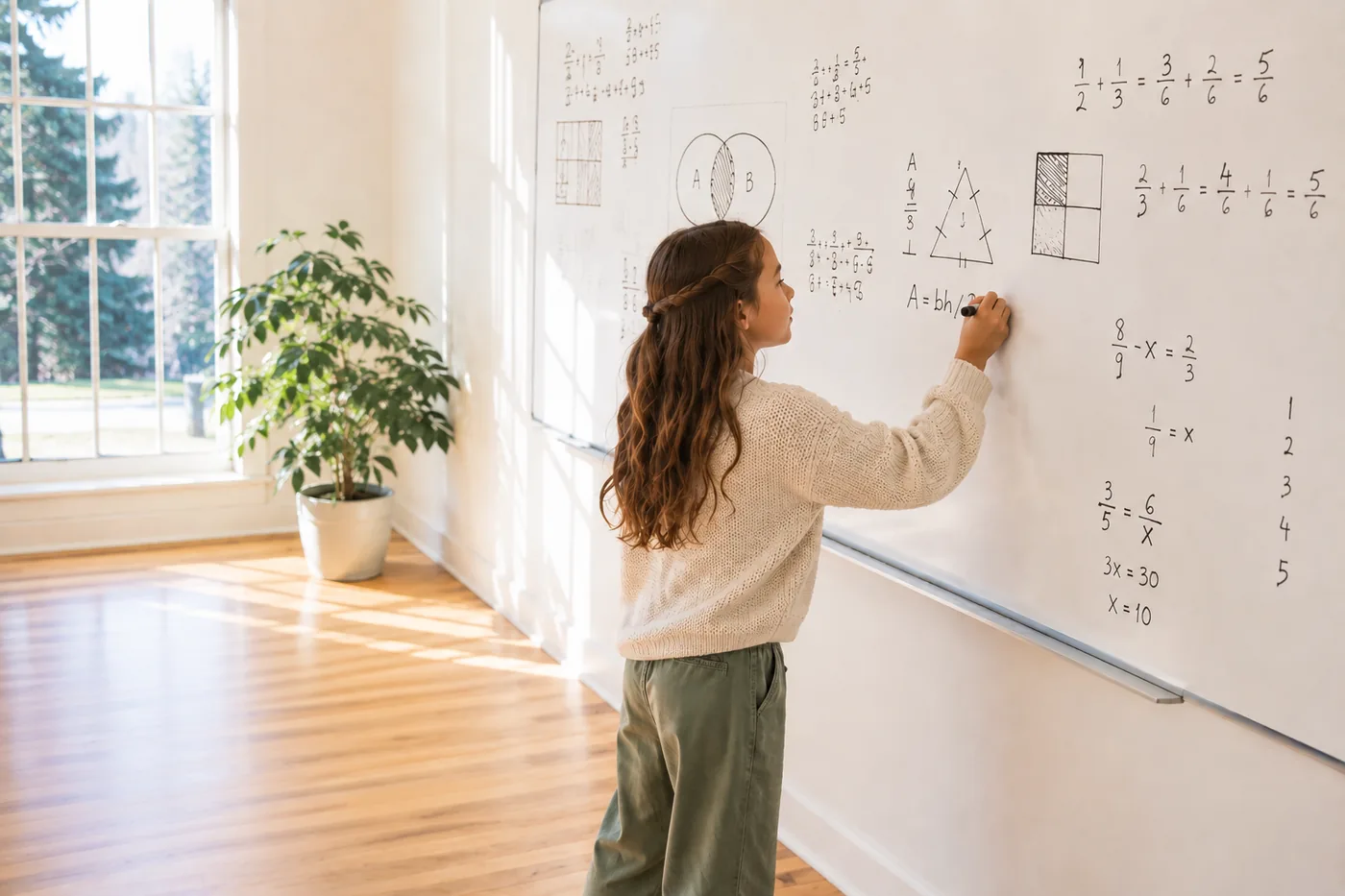
We introduce concepts through exploration, discussion, visual models and real-world problems before moving into abstract symbols and written practice. Once students understand why something works, practice becomes more meaningful and learning is more likely to last.
Inquiry-Driven Learning
Every meaningful learning experience begins with curiosity.
Students are encouraged to ask questions, investigate possibilities, test ideas and make connections. Rather than simply being shown what to do, they learn how to approach a challenge, select a strategy and explain their thinking.
Personalized Challenge
Every child enters with different strengths, experiences and learning needs.
A placement assessment helps us identify each student's starting point and place them in one of four progressive learning levels: Discoverers, Explorers, Investigators or Innovators.
With only 6–8 students in each group, instructors can provide personalized feedback, reinforce important foundations and introduce greater challenge when a student is ready.
Assessment for Growth
Assessment at Scholar's Studio is not only about measuring performance—it helps guide learning.
Through observation, student reflection, ongoing skill checks and progress tracking, we identify strengths, address gaps and determine the most meaningful next steps for each learner.
The Scholar's Studio Difference
Practice Builds Fluency. Understanding Builds Confident Thinkers.
Repetition has an important place in learning—it helps students strengthen accuracy, fluency and recall. But when children encounter an unfamiliar problem, memorized steps alone may not be enough.
Scholar's Studio goes beyond practice by helping students understand concepts, recognize patterns, compare strategies and decide where to begin.
Traditional Practice
Practise What You Already Know
- Repetition of familiar questions
- Focus on speed and correct answers
- Procedures taught before application
- Worksheets in predictable formats
- One expected method or solution
The Scholar's Studio Approach
Learn How to Approach What You Don't Yet Know
- Exploration of new and unfamiliar challenges
- Focus on understanding and reasoning
- Concepts discovered before procedures are formalized
- Hands-on, visual and real-world learning
- Multiple strategies, connections and possible solutions
Math Studio
How We Bring Mathematics to Life
Give your child the confidence to think mathematically—not simply memorize procedures.
Scholar's Studio Math programs combine strong foundational skills with hands-on challenges, puzzles and real-world problem-solving. Students are placed by readiness, allowing them to receive the right level of support and challenge while progressing beyond grade-level expectations when ready.
Small groups and personalized instruction help students become confident, flexible and creative problem-solvers.
Language Arts Studio
How We Bring Language to Life
Give your child the skills and confidence to read deeply, write clearly and communicate effectively.
Scholar's Studio Language Arts programs combine strong literacy foundations with inquiry, creativity and critical thinking. Students explore engaging texts, exchange ideas and write for meaningful purposes while receiving personalized instruction at the right level of challenge.
Small groups help students become confident readers, thoughtful writers and articulate communicators.
Movement + Body
Learning Through Movement and Experience
Children do not always learn best while sitting still.
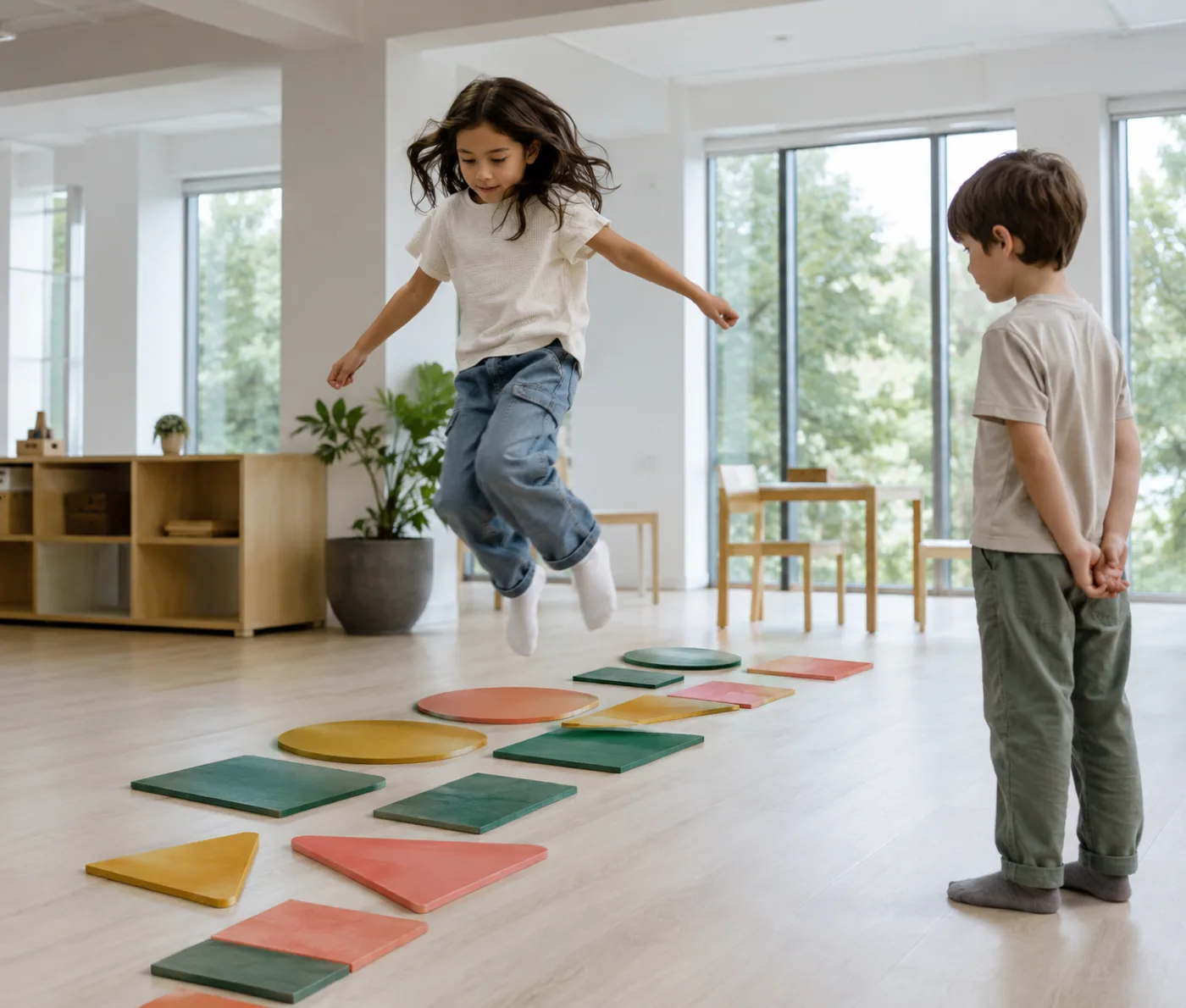
Movement, games, collaborative challenges, wall work and hands-on materials are intentionally incorporated into our sessions. These experiences help students remain engaged, make abstract ideas more tangible and discover how they learn most effectively.
Movement is not separate from learning at Scholar's Studio. It is part of how learning comes to life.
Research-Informed. Purposefully Designed.
The Research Behind Our Approach
Our approach is grounded in established research about how children develop deep and lasting understanding. Students learn more effectively when they explore concepts before memorizing procedures, move from concrete experiences to abstract thinking, discuss and explain their reasoning, and receive the right level of challenge and support.
Scholar's Studio brings these principles together in a thoughtfully designed, small-group environment where curiosity is encouraged, thinking is made visible and meaningful learning comes first.
What Growth Looks Like
A year inside Scholar's Studio.
Growth looks different for every child, but across the year, families can expect to see a meaningful progression—from renewed curiosity to greater confidence, independence and application beyond the Studio.
Curiosity Begins to Grow
Students are welcomed with engaging, low-pressure and hands-on experiences. They become more willing to ask questions, try unfamiliar activities and explore ideas without worrying about getting everything right immediately.
Thinking Becomes Visible
As students settle into the program, they begin explaining their reasoning, comparing strategies and supporting their ideas. They listen to different perspectives, reconsider their first approach and become more comfortable sharing how they think.
Confidence Becomes Independence
Students gradually rely less on being shown every step. They begin selecting their own strategies, working through challenges, learning from mistakes and taking greater ownership of their progress.
Learning Extends Beyond the Studio
By the end of the program, students are more prepared to apply their growing skills and confidence at school, at home and in unfamiliar situations—whether they are interpreting a text, solving a complex problem, defending an idea or delivering a presentation.
Ready to see this in person?
Fall 2026 registration opens soon. Drop your email to be the first to hear when doors open, and to get a sneak peek of the curriculum.